
What is Digital Marketing? (Beginner Guide)
What is Digital Marketing? (Beginner Guide)
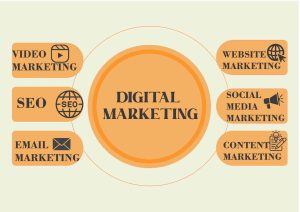
Digital marketing refers to promoting products or services using digital channels like search engines, social media, websites, and email. It enables businesses to reach their ideal audience with greater speed, precision, and measurable impact.
In today’s online-driven world, customers depend on the internet to explore, compare, and decide before making a purchase. Digital marketing ensures businesses remain visible throughout this journey, helping guide and influence customer decisions effectively.
Why Digital Marketing is Important
- Most customers are online before making decisions
- It helps reach a global and local audience
- Cost-effective compared to traditional marketing
- Provides measurable results and insights
- Builds brand awareness and trust
Key Features of Digital Marketing
Digital marketing stands out because of its advanced capabilities:
- Targeted Reach: Focus on specific audience groups
- Real-Time Tracking: Monitor clicks, leads, and conversions
- Personalization: Deliver customized messages
- Automation: Save time with smart tools
- Scalability: Grow campaigns as your business grows
Benefits of Digital Marketing
- Increases website traffic
- Generates quality leads
- Boosts sales and conversions
- Improves customer engagement
- Builds long-term brand loyalty
Future of Digital Marketing
Digital marketing is constantly evolving with trends like AI, voice search, and video marketing. Businesses that adapt to these changes can stay ahead of competitors and achieve long-term success.
Digital Marketing: A Complete Unique Insight
Digital marketing is more than just promoting products online—it is a strategic system that combines data, creativity, and technology to influence customer behavior across multiple digital touchpoints. It focuses on delivering the right message to the right audience at the right time through personalized and measurable interactions.
How Digital Marketing Actually Works
Digital marketing operates through a customer journey funnel:
- Awareness: Users discover your brand through search, ads, or social media
- Consideration: They explore your website, content, or reviews
- Decision: They take action—purchase, sign up, or contact
- Retention: You build long-term relationships through email and remarketing
Each stage is optimized using different strategies to guide users smoothly toward conversion.
Advanced Elements of Digital Marketing
1. Data-Driven Marketing
Every click, scroll, and interaction is tracked. This data helps businesses understand user behavior and improve campaigns for better results.
2. Audience Targeting & Segmentation
You can target users based on:
- Location
- Interests
- Age & demographics
- Online behavior
This ensures your marketing budget is spent only on the right audience.
3. Conversion Optimization (CRO)
Digital marketing is not just about traffic—it’s about converting visitors into customers using:
- Better landing pages
- Strong call-to-actions (CTA)
- User-friendly design
4. Multi-Channel Strategy
Successful brands don’t rely on one platform. They combine:
- SEO for organic traffic
- Social media for engagement
- Paid ads for instant leads
- Email for retention
5. Automation & AI
Modern digital marketing uses tools and AI to automate:
- Email campaigns
- Ad optimization
- Chatbots for customer support
Unique Benefits of Digital Marketing
Hyper-targeting:
Reach exactly who you want
Real-time optimization:
Improve campaigns instantly
Cost efficiency:
Better ROI than traditional marketing
Global + Local reach:
Target worldwide or specific locations
Performance tracking:
Every result is measurable
Emerging Trends in Digital Marketing
- AI-powered marketing tools
- Voice search optimization (“near me” searches)
- Short-form video content (Reels, Shorts)
- Influencer and creator marketing
- Personalized user experiences
Businesses that adapt to these trends stay ahead in the competitive market.
Why Digital Marketing is a Game Changer
Digital marketing gives even small businesses the power to compete with big brands. With the right strategy, a local business can attract customers, build trust, and grow consistently without spending huge budgets.
Conclusion
Digital marketing is not just a tool—it’s a growth engine for modern businesses. By combining strategy, data, and creativity, businesses can attract the right audience, build strong relationships, and achieve long-term success in the digital world.